Table of Contents Show
A sump pump rarely draws attention until water begins to rise. During heavy rain, melting snow, or prolonged groundwater saturation, the system becomes the barrier between your foundation and flooding. When it fails, damage unfolds quickly: soaked drywall, warped flooring, mold growth, and structural stress.
Most breakdowns trace back to neglected maintenance, ignored indicators, or preventable electrical issues. Storms rarely create weakness; they reveal what routine inspection failed to catch.
Homeowners who want to keep your sump pump ready treat the system as part of permanent home infrastructure—not as a hidden appliance in a basement corner. Preventive care protects property value, reduces emergency repair costs, and stabilizes the entire waterproofing structure.
This guide focuses strictly on maintenance discipline. It does not cover buying comparisons or advanced repair procedures. Reliability begins with routine.
How a Sump Pump Actually Protects a Foundation
Groundwater builds pressure around a home’s foundation through hydrostatic force. When surrounding soil becomes saturated, that pressure increases. Without relief, water pushes through hairline cracks, porous concrete, and construction joints.
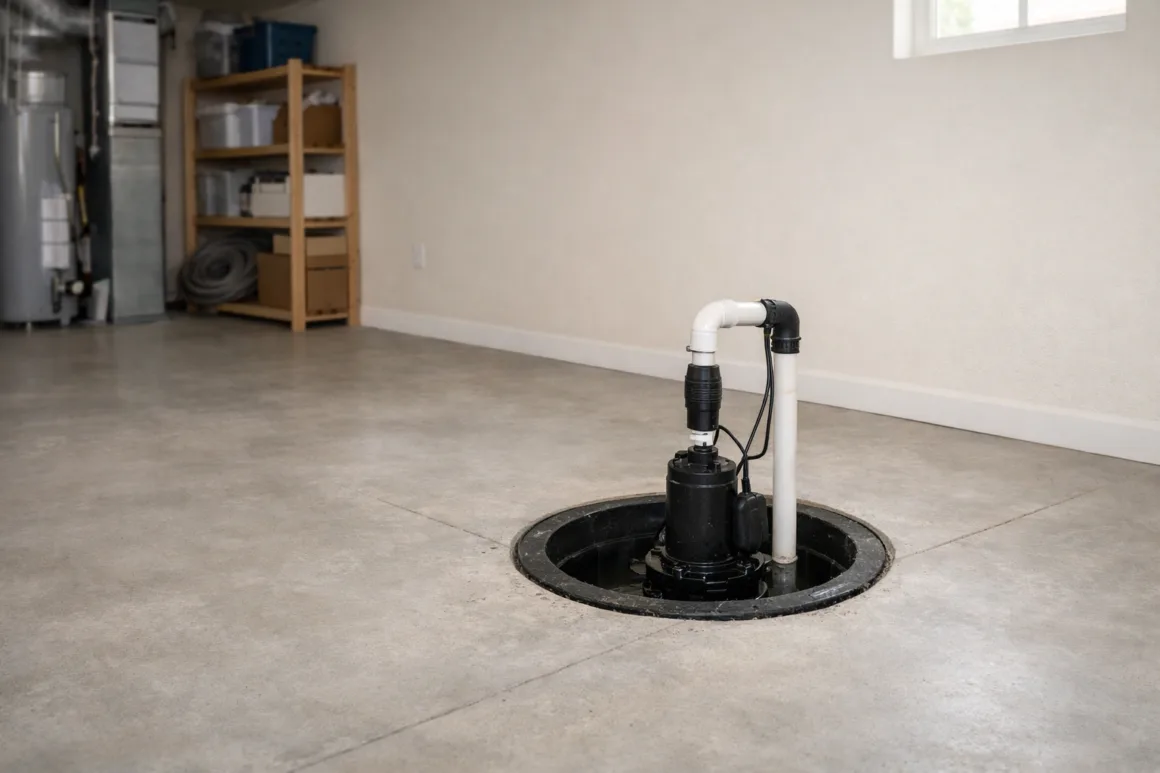
A sump pump interrupts that process. The system sits inside a basin at the lowest point of the basement or crawl space. As water accumulates in the pit, a float switch rises. Once it reaches a preset height, the motor activates and pushes water through a discharge pipe away from the foundation.
That cycle—collect, activate, discharge, shut off—repeats automatically during wet conditions, keeping pressure controlled and interior surfaces dry.
If you are still evaluating pump size or capacity, review our guide on how to choose the right sump pump. Proper selection establishes baseline performance. Ongoing maintenance determines whether that performance holds under stress.
A sump pump does not waterproof a basement by itself. It relieves pressure within a broader moisture-control system.
The Maintenance Mindset: Why Systems Fail Under Load
Mechanical systems fail under load when small weaknesses accumulate unnoticed. Because sump pumps operate quietly most of the year, many homeowners assume they are functional.
That assumption creates risk. Internal components corrode. Switches stick. Sediment collects at the base of the basin. Electrical connections loosen. Under dry conditions, none of these issues appear urgent.
During a storm, they become critical. The moment groundwater rises rapidly, the pump must activate repeatedly and efficiently. A sluggish float switch or partially clogged intake screen may not keep pace. Even short delays allow water to reach finished surfaces.
Maintenance addresses small points of friction before peak demand magnifies them into failure. Structured preventive checks keep the system stable long before severe weather tests it.
Monthly Functional Testing Protocol
Monthly testing prevents surprises. A sump pump that sits idle may appear functional while internal components degrade. A controlled water test confirms the system responds under simulated load.
Start by pouring a bucket of water directly into the sump pit. Do not use a hose; a measured bucket allows you to observe reaction time. As the water level rises, the float switch should lift smoothly without sticking. The motor should engage immediately once the activation height is reached.
During operation, listen carefully. The motor should run with steady mechanical consistency—no grinding, rattling, or abrupt surging. Water should discharge rapidly through the outlet pipe. After the pit empties, the system should shut off cleanly without repeated cycling.
Several early stress indicators deserve attention:
- Delayed motor activation after the float rises
- Short cycling, where the pump turns on and off repeatedly within seconds
- Excess vibration or metallic noise
- Water draining back into the pit after shutdown
These behaviors suggest mechanical strain, discharge issues, or electrical instability. For a deeper breakdown of warning signs and performance irregularities, review our guide to common sump pump malfunction symptoms. This article remains focused on prevention, but early detection supports long-term reliability.
Document each monthly test. Recording dates, observations, and corrective actions reveals gradual decline before full failure occurs.
Electrical Reliability and Backup Planning
A sump pump without stable power is a decorative object. Many pump failures during storms trace back to preventable power issues rather than mechanical defects.
Confirm that the pump connects to a dedicated, grounded outlet. Avoid extension cords. Shared circuits increase the risk of accidental shutdown when other appliances overload the breaker. Label the circuit breaker clearly so it is not switched off unintentionally during other home maintenance tasks.
Inspect the power cord for wear or corrosion and confirm the plug fits securely into the outlet. A loose connection can introduce intermittent power loss that only becomes visible during heavy rain.
Storm-related outages create the highest-risk scenario. When power fails during peak groundwater pressure, a primary pump cannot operate. Backup planning addresses that vulnerability. Battery-powered systems activate automatically when grid power drops, maintaining discharge continuity until electricity returns.
For a detailed evaluation of runtime expectations and system limitations, review how sump pump battery backup systems protect basements. This article focuses on maintenance oversight, while that guide explores backup system performance in greater depth.
Electrical inspection should occur at least twice per year—before and after peak rainy seasons. Preventive verification ensures that when the float rises under real pressure, the motor receives uninterrupted power.
Sediment, Debris, and Mechanical Wear
Sump pumps do not fail only because of electrical problems. Internal wear accelerates when sediment accumulates inside the basin. Over time, dirt and debris settle at the bottom of the pit, where each activation cycle pulls material toward the intake screen.
When debris restricts water flow, the motor works harder to achieve the same discharge volume. Increased strain raises operating temperature and shortens component lifespan. Even partial obstruction reduces efficiency during high-demand conditions.
Schedule basin cleaning at least once or twice per year, ideally before heavy rain seasons. Always disconnect power before performing any inspection. Remove loose debris manually. Wipe down basin walls to prevent buildup from hardening over time. Inspect the intake screen carefully and clear any blockage.
Examine the check valve while cleaning. The valve prevents discharged water from flowing back into the pit after shutdown. If it sticks or leaks, the pump may cycle more frequently than necessary, increasing mechanical fatigue.
Mechanical wear rarely appears dramatic; performance decline develops gradually. Preventive cleaning reduces internal friction and preserves motor efficiency under real storm load.
Float Switch Inspection: The Silent Failure Point
The float switch controls the entire activation cycle. When water rises inside the basin, the float lifts. That movement triggers the motor. If the float does not move freely, the pump does not engage—regardless of water level.
Float switch obstruction remains one of the most common and preventable causes of sump pump failure. Wiring can tangle. The float arm can press against the basin wall. Sediment buildup can restrict movement. Each of these issues develops quietly over time.
During routine maintenance, manually lift the float to confirm immediate motor activation. The motion should feel smooth, without resistance. When released, the switch should return to its resting position without sticking.
Inspect visible wiring for corrosion or loose connections. If the switch shows signs of wear, hesitation, or delayed response, replacement is safer than continued use. A failing float switch provides no visible warning until water reaches the basement floor.
Reliable activation depends on unobstructed movement, and a simple manual check reduces one of the most overlooked flooding risks in residential systems.
Discharge Line Risk Factors
Discharge performance determines whether the sump pump can relieve water pressure effectively. The pipe carries groundwater away from the foundation. If that path is restricted, water returns toward the home and compromises the entire system.
Inspect the discharge pipe from the basin connection point to the exterior outlet. Look for visible cracks, loose joints, or improper slope. A poorly angled line slows drainage and increases motor workload during high-demand cycles.
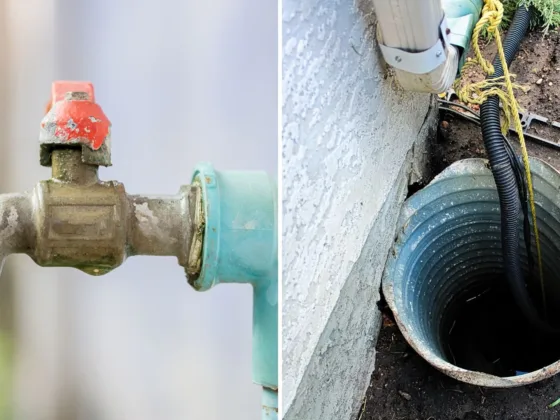
Exterior termination points deserve equal attention. The outlet should direct water several feet away from the foundation. Blockage from leaves, soil, or landscaping debris restricts flow. In colder climates, freezing inside the pipe creates back pressure that prevents discharge altogether.
Run a functional water test and observe exterior output. Water should exit forcefully and disperse away from the structure. If water pools near the foundation, grading adjustments may be necessary.
Discharge performance connects directly to broader drainage planning. Even a properly working pump will struggle if exterior runoff is unmanaged. Preventive inspection of the discharge path protects both mechanical components and structural integrity.
Redundancy Strategy in High-Risk Zones
Some homes operate under higher groundwater pressure than others. Properties with high water tables, frequent storms, or finished basements face greater consequences if a primary pump fails. In these environments, redundancy is not excessive—it is strategic.
A secondary sump pump provides layered protection. If the primary unit becomes overwhelmed, loses power, or experiences mechanical failure, the backup system activates to maintain discharge capacity. This overlap reduces the risk of rapid interior flooding during peak saturation events.
Redundancy decisions should align with measurable risk. Homes that cycle their pumps frequently during moderate rainfall already operate near capacity. In those cases, reviewing the advantages of installing an additional sump pump system supports long-term stability.
This article focuses on preventive maintenance of a primary system, while redundancy planning expands protection when environmental conditions justify the investment. Maintenance discipline remains essential, even in multi-pump configurations.
Installation Quality and Long-Term Maintenance
Proper installation sets the limits of what maintenance can achieve. A sump pump that sits unevenly inside the basin vibrates excessively during operation. Misaligned discharge piping increases back pressure. Poorly secured fittings introduce gradual leaks that weaken efficiency over time.
Even small installation flaws accelerate wear. Continuous vibration stresses motor mounts. Incorrect pipe diameter restricts flow. An improperly positioned float switch limits activation range. These structural issues shorten system lifespan, regardless of how consistently the pump is tested.
If installation was handled independently, review best practices outlined in our guide to DIY sump pump installation considerations. Preventive maintenance works most effectively when the system was installed with correct alignment, drainage slope, and secure electrical configuration.
Before peak storm seasons, visually confirm that the pump sits stable at the basin base, that discharge connections remain tight, and that wiring is safely routed above water level. Stability at installation directly influences reliability during high-demand cycles.
Integrating Sump Pump Maintenance Into Whole-Home Waterproofing Strategy
A sump pump operates within a broader moisture-control system. When exterior drainage underperforms, the pump absorbs excess workload that grading, gutters, or foundation sealing should have prevented. Long-term reliability improves when surrounding systems reduce incoming water pressure before it reaches the basin.
Start with roof drainage. Gutters and downspouts must direct water away from the foundation. Clogged channels allow runoff to pool along exterior walls, increasing soil saturation. Extending downspouts several feet from the structure lowers hydrostatic pressure before groundwater collects at footing level.
Grading also plays a decisive role. Soil should slope away from the foundation, not toward it. Negative grading funnels rainwater directly to the base of the structure, forcing the sump system to compensate continuously. Correct slope reduces pump cycling frequency and mechanical strain.
Foundation inspection completes the system view. Hairline cracks, failed sealants, and deteriorated exterior membranes permit slow moisture intrusion. Addressing these vulnerabilities reduces the volume of water entering the basin during storms.
Preventive maintenance becomes more effective when exterior water management is stable. The pump should relieve excess groundwater—not counteract unresolved drainage problems. Integrating gutters, grading, foundation walls, and discharge outlets into the same seasonal checklist creates a coordinated waterproofing approach.
Whole-home alignment reduces pump cycling frequency, stabilizes mechanical stress, and extends structural longevity.
Frequently Asked Questions
How often should a sump pump be replaced?
Most residential sump pumps operate reliably for seven to ten years, depending on usage frequency and maintenance discipline. Systems that cycle frequently during moderate rainfall experience faster mechanical wear and may require earlier replacement planning.
Can a sump pump run continuously during heavy rain?
Yes. During severe groundwater saturation, continuous operation is normal. However, constant cycling during light or moderate rain may signal discharge restriction, undersized capacity, or drainage imbalance that increases system strain.
What happens if a sump pump fails during a storm?
If activation fails while groundwater rises, hydrostatic pressure increases against foundation walls. Water intrusion can occur within minutes, especially in finished basements. Backup systems and redundancy planning reduce this risk.
Is a battery backup necessary in every home?
Battery backup is not mandatory in all properties, but it becomes critical in flood-prone areas or regions with frequent power outages. Homes that depend heavily on sump discharge during storms benefit from layered protection.
Conclusion: Reliability Is Scheduled, Not Assumed
Sump pump failure is rarely sudden. Most breakdowns follow months—or years—of overlooked inspection, minor electrical instability, sediment buildup, or float switch resistance. Severe weather reveals weaknesses that routine oversight left unresolved.
Preventive maintenance establishes control before demand spikes. Monthly testing confirms activation reliability, while electrical inspection protects against sudden power loss. Cleaning the basin reduces mechanical strain, and float verification prevents silent failure. Discharge monitoring completes the system check and reinforces overall stability.
Integrated into broader drainage and foundation oversight, sump pump care becomes part of a complete waterproofing structure rather than an isolated task. That coordination lowers cycling frequency, extends equipment lifespan, and stabilizes the entire moisture-control system.
Reliability is not luck. It results from scheduled verification, disciplined inspection, and consistent preventive attention. A maintained system protects foundations, interior finishes, and long-term property value when heavy rain arrives.
Disclosure: This article may include contextual references to products, services, or providers for general informational purposes. All content is written independently and reflects editorial judgment focused on clarity, safety, and real-world relevance.
Author & Editorial Review
Author: Perla Irish is a design and home-focused writer covering interior materials, everyday homeowner decisions, and real-world performance of residential finishes in consultation with licensed contractors and industry standards where applicable. Her work emphasizes clarity, practical context, and long-term usability over trends or transactional advice.
Editorial Review: This article was reviewed by the DreamlandsDesign editorial team with a focus on homeowner decision-making psychology, behavioral context, accuracy, and long-term relevance. Content is evaluated to ensure balanced explanations, clear intent, and alignment with Google Helpful Content and E-E-A-T quality standards.
Last updated: February 2026