• Home Improvement
    • DIY
    • Remodeling
    • Woodworking
    • Home Design
      • Furniture
      • Organize
      • Tips
      • Decor
        • Interior
        • Exterior
    • Design Ideas
      • Bathroom
      • Bedroom
      • Dining Room
      • Living Room
      • Kitchen
  • Gardening
    • Backyard
    • Front Yard
    • Landscaping
  • Building Staircase
  • Categories
    • Home Improvement
    • Decor
    • Gardening
    • Woodworking
    • Lifestyle
    • Green Living
    • Real Estate
Dream Lands Design
  • Home Improvement
    • DIY
    • Remodeling
    • Woodworking
    • Home Design
      • Furniture
      • Organize
      • Tips
      • Decor
        • Interior
        • Exterior
    • Design Ideas
      • Bathroom
      • Bedroom
      • Dining Room
      • Living Room
      • Kitchen
  • Gardening
    • Backyard
    • Front Yard
    • Landscaping
  • Building Staircase
  • Categories
    • Home Improvement
    • Decor
    • Gardening
    • Woodworking
    • Lifestyle
    • Green Living
    • Real Estate
Featured of How to Lay and Install Drip Irrigation System for your Garden

How to Lay and Install Drip Irrigation for your Garden

  • Perla Irish
  • June 12, 2018
Total
11
Shares
0
0
11
0
0
Table of Contents Show
  1. Drip Irrigation System for Healthy Plants and Saving Water
    1. Materials Needed
  2. Step 1. Planning the Layout
  3. Step 2. Connect the Hose to the Water Spicket
  4. Step 3. Adding a Branching Connector (Emitter)
  5. Step 4. Connect the Drip Tape to the Branching Emitters
  6. Step 5. Repair Possible Holes with a Connector
  7. Step 6. Turn the Water On and Decide Which Rows to Run Water Down

Install Drip Irrigation System for your Garden — Installing a drip irrigation system in your garden is easy to do. This is a project you can do by yourself in under a day. In addition, it should cost no more than $150 dollars.

The initial investment pays off in water saved, not having to worry about drought damaging your plants, and in your time spent watering the garden. In addition, it is much more efficient to water at the root then to spray water at the top of the plants.

You do not need advanced knowledge of plumbing or plumbing systems in order to install a drip irrigation system.

Drip Irrigation System for Healthy Plants and Saving Water
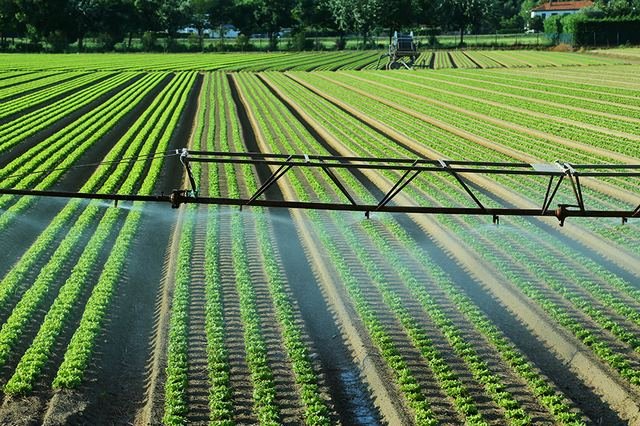
IMG - How to Lay and Install Drip Irrigation System for your Garden
How to Lay and Install Drip Irrigation System for your Garden

Materials Needed

  • Drip tape
  • Hose adapters
  • Main end clamps
  • Emitters
  • Pressure regulator
  • Screen filter
  • Hose
  • Backflow Preventer
  • Hose end clamps
  • Pocket knife
  • Couplers

Step 1. Planning the Layout

The first thing you will need to do is locate your outdoor plumbing source and plan how you will connect this source to a hose that can serve as the initial connector for the drip tape system.

Once that is located, draw a sketch of your garden and decide what level the water flow should be for different types of plants. Plants all require different amounts of water for optimal growth.

This will influence how much drip tape is laid out and where the markings will be made in the drip tape. This will also tell you how much drip tape you need to purchase.

Planning the Layout - Installing Drip Irrigation System
Planning the Layout (Installing Drip Irrigation System)

Must Read:

  • Find a Sprinkler System That’s Right for You
  • DIY Steps for Draining Water Away from the House
  • Grow a Successful Vertical Garden: The Current Trend of Planting And Home Gardening
  • French Drain: Use Drain Tile to Route Water Away from Your House

Step 2. Connect the Hose to the Water Spicket

Make sure that the plumbing to the outside works. The first piece you want to connect to the spicket is the backflow preventer. Then connect a hose to the water spicket. Connect the other side of this hose to the main irrigation line.

Attach a flow regulator in between the hose and the black tube. This line is a long black tube that is normally two inches in diameter. Run this line for as long as you need it, cut it with the pocketknife and use the main end clamps to tie off the line.

Step 3. Adding a Branching Connector (Emitter)

To divert water away from the main line, you need to add in branching connectors that will allow the water to flow out of the main tube and into the rows where the garden is located.

These branching connectors are known as emitters. You will use the knife to create a hole in the main tubing and attach as many emitters as necessary. Make sure that the emitter is designed for drip tape.

Adding a Branching Connector (Emitter) - How to Lay and Install Drip Irrigation System for your Garden
Adding a Branching Connector (How to Lay and Install Drip Irrigation System for your Garden)

Step 4. Connect the Drip Tape to the Branching Emitters

The drip tape needs to be attached to all of the branching emitters. To do this, secure the drip tape around one side of the emitter. The drip tape has holes already cut. When you have laid out the drip tape and it stretches the span of your desired space, tie off the end.

Must Read:

  • Drip Irrigation – Best Irrigation And Automation Options
  • No Money? How to Make a Small Garden Pond Without a Great Expense
  • Key Steps on How to Prepare The Land For a Beautiful Water Feature
  • 3 Tips to Keep Your Garden Green While Conserving Water
  • Automatic Potted Plants Watering System : Keep the Greenery on Your Patio Green – Even When You are Away

Step 5. Repair Possible Holes with a Connector

It is possible that over time you will get holes in the drip tape. You have two options to fix them. First, you can cut the drip tape where it has the hole and reattach the drip tape together using a connector. Second, you can replace the entire line of drip tape.

Step 6. Turn the Water On and Decide Which Rows to Run Water Down

If you have flow regulators at all of the emitters, you can choose to only run water down certain rows. This allows for customization of the gardening. If not, you can control the water flow at the hose connection.

It is important to note that if you have a water filter and softener attached to your water system, this should be turned off when you are watering your plants.

After reading this tutorial on How to Lay and Install Drip Irrigation System for your Garden, you should have a basic understanding of the materials needed and steps taken to install a drip tape system for healthier plants and water conservation.


Author Bio

Leo is a plumber at Northridge-based plumbing company Rooters On Time. On his free time, he enjoys writing tutorials and how-to guides about plumbing to help others.

Total
11
Shares
Share 0
Tweet 0
Pin it 11
Share 0
Share 0
Previous Article
Featured of The Do’s and Don'ts of Decorating With Mirrors

The Do’s and Don’ts of Decorating With Mirrors

  • Perla Irish
  • June 12, 2018
View Post
Next Article
Featured images of Orange Sofa Interior Design

How to Decorate a Home with an Orange Sofa to Inspire Décor

  • Perla Irish
  • June 13, 2018
View Post

Subscribe

Subscribe now to our newsletter

You May Also Like
modern backyard ADU guest house with landscaped garden and stone pathway behind a suburban home
View Post

Things to Consider Before Building an ADU in Your Backyard

  • March 16, 2026
modern backyard ADU small guest house with landscaped garden and stone pathway
View Post

Planning a Backyard ADU: What Homeowners Should Expect Before Building

  • March 11, 2026
Backyard prepared for a gathering with defined lawn walkways and patio seating
View Post

Preparing Your Backyard for Gatherings Without Damaging Grass or Hardscapes

  • February 22, 2026
Residential backyard lawn showing uneven growth and stressed areas
View Post

Lawn Maintenance Isn’t a Routine: How Real Yards Change Over Time

  • February 6, 2026
Overgrown grass in a residential backyard with uneven growth
View Post

Cutting Very Long Grass: Why It’s Harder Than It Looks in Real Yards

  • February 5, 2026
Event space designed around a single visual focal point with a calm and balanced composition.
View Post

Easy Ways to Create a “Wow” Moment for Parties & Celebrations

  • January 25, 2026
Safe ladder setup outside a home for everyday DIY projects
View Post

How to Stay Safe When Using a Ladder for DIY (Home Guide)

  • January 23, 2026
Artisan applying Venetian plaster to an interior wall while a homeowner assists by holding a hawk of mixed plaster, captured in warm natural light.
View Post

Venetian Plaster Finish Technique — How to Apply Venetian Plaster (DIY Guide)

  • December 10, 2025

Leave a Reply Cancel reply

Your email address will not be published. Required fields are marked *

  • About
  • Privacy Policy
  • Terms of Use
  • Disclosure
  • Sitemap
  • Contact Us

Input your search keywords and press Enter.